Eggplant Artichoke Carrot Tops Basil Pesto with Hummus
Servings: 4 servings
Calories:
Although often considered a vegetable, they’re technically a fruit, as they grow from a flowering plant and contain seeds. There are many varieties that range in size and color. And while eggplants with a deep purple skin are most common, they can be red, green or even black. In addition to bringing a unique texture and mild flavor to recipes, eggplant brings a host of potential health benefits.The eggplant has been an ingredient in traditional medicine for thousands of years. In the ancient Indian system of ayurvedic medicine, practitioners used white eggplant to treat diabetes and the roots to relieve asthma.While eggplant isn't the most nutritious vegetable, it does give you a decent supply of potassium and fiber. And at just 25 calories and less than 1 gram of fat per serving, it's a pretty guilt-free food -- as long as you don't soak it in oil.Eggplant has antioxidants like vitamins A and C, which help protect your cells against damage. It's also high in natural plant chemicals called polyphenols, which may help cells do a better job of processing sugar if you have diabetes.Early lab studies in cells suggest that eggplant protects against the type of DNA damage that leads to cancer. But researchers still need to confirm this benefit in humans.https://www.webmd.com/food-recipes/eggplant-health-benefits
Print Recipe
Equipment
- Panini Maker or Cast Iron Pan for best results May also use a medium saute pan
Ingredients
- 4 whole Artichokes Hearts marinated in a no oil
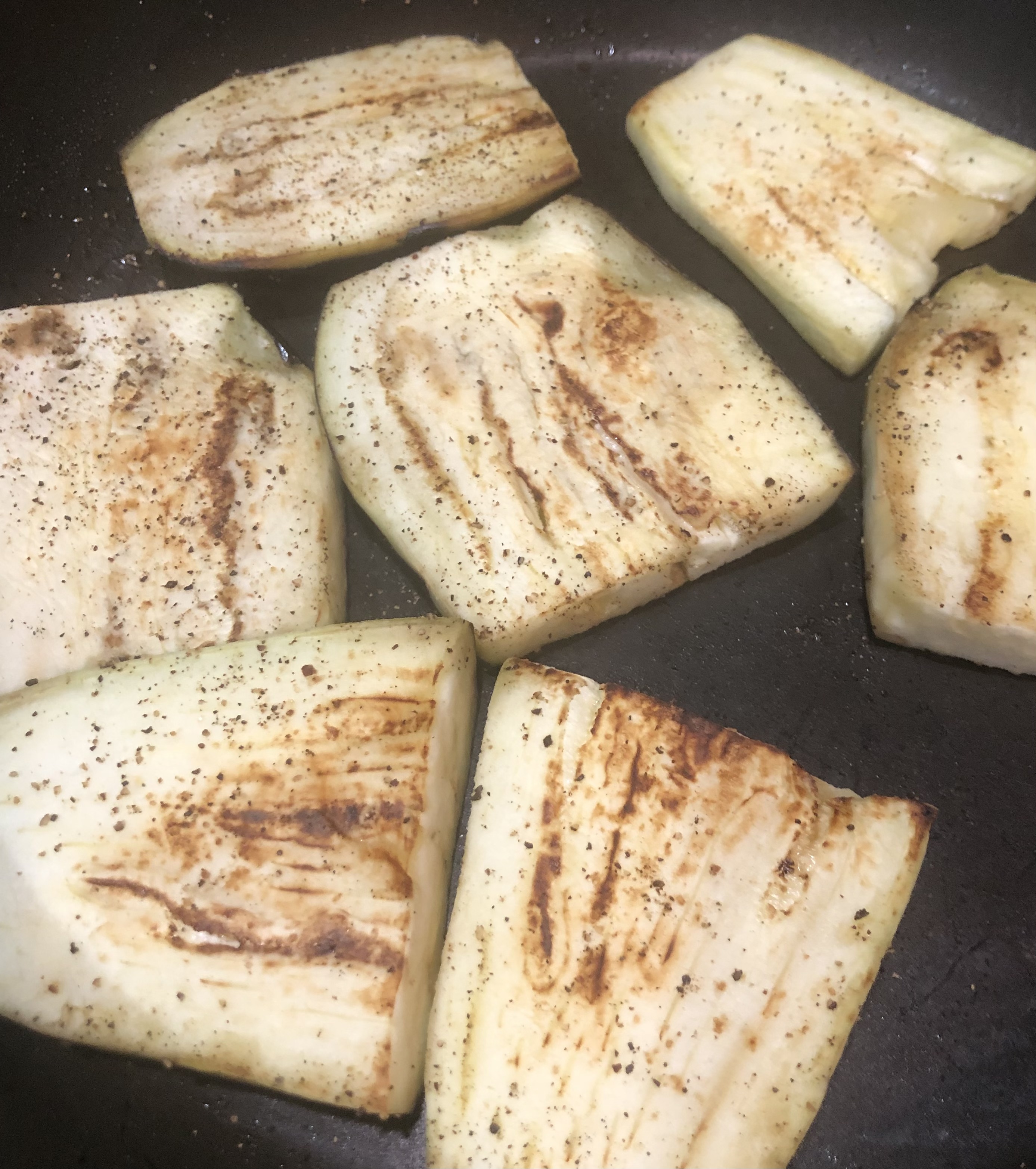
- 1 small Eggplant
- 4 Rolls of your choice
- 1 batch PLANTifull Fare Hummus
- 1 batch PLANTifull Fare Carrot Top Basil Pesto
- Cooking spray
Instructions
Assemble ingredients in a mise en place.
- Slice rolls in half
- Slice artichoke hearts in half
- slide zucchini into the 8
- Make one recipe of PLANTifull Fare Hummus.
- Make one recipe of PLANTifull Fare Carrot Top Basil Pesto.
Assemble Paninis
- Spread one side of the roll with Hummus
- Spread other side of the roll with Carrot Top Basil Pesto.
- Place eggplant on one side of the roll.Place halved artichoke hearts on the roll.Top with rolls half and place on a panini maker or in the pan.
